The 2026 Residential Strategic Forecast: A Global Analysis of Home Decor Trends and Macro-Environmental Influences
The residential landscape of 2026 is defined by a significant redirection in the relationship between the human inhabitant, the domestic environment, and the technological systems that govern daily life. As global society moves away from the stark, impersonal minimalism that dominated the previous decade, a new era of "Regenerative Design" and "Emotional Intelligence" has emerged.
This transition is not merely aesthetic but represents a fundamental shift in consumer values toward eco-accountability, multisensory wellness, and the celebration of "minorstones"—the small, everyday joys that replace traditional, increasingly unattainable life milestones. The home of 2026 is no longer a static container for possessions; it is a responsive, adaptive ecosystem that prioritizes physiological health, sustainable resilience, and personalized storytelling.
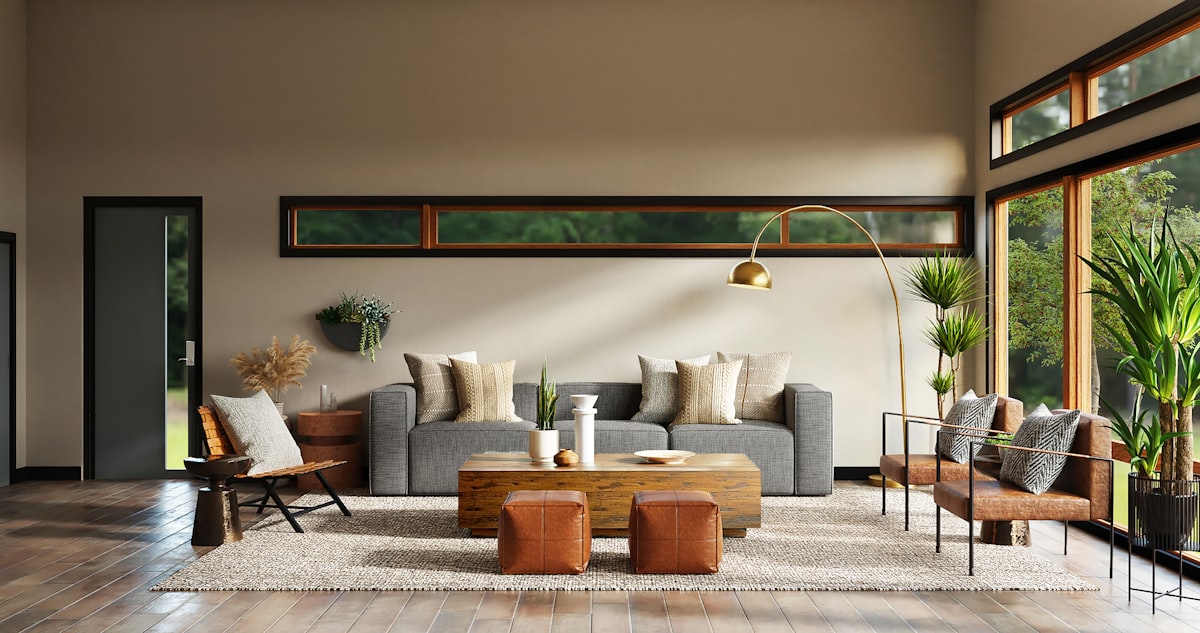
The Macro-Environmental Context: Sustainability and the Regenerative Mandate
By 2026, the concept of "eco-friendly" design has been superseded by a more rigorous standard: regenerative living. Consumers and designers alike are prioritizing materials and systems that restore ecosystems rather than simply reducing harm. This movement, driven by rising material costs and a visceral backlash against the "fast furniture" culture, focuses on carbon-negative production and circular economies.
Regenerative Materials and Bio-Innovation
The furniture industry is increasingly adopting mycelium (mushroom fibers) and algae-based bioplastics to create structural panels and modular systems that are fully recyclable and biodegradable. These materials offer natural acoustic and thermal properties, making them ideal for the wellness-centered home. This shift aligns with a global push for transparency and traceability, where every piece of furniture is expected to have a "traceable origin."
| Material Category | Source/Mechanism | 2026 Application | Ecological Impact |
|---|---|---|---|
| Mycelium Composites | Fungal root growth on waste | Acoustic panels, modular furniture | Carbon-sequestering, biodegradable |
| Algae-Based Bioplastics | Microalgae polymers | 3D-printed sculptural forms | Carbon-negative, petroleum-free |
| Cactus Leather | Nopal cactus fibers | High-end upholstery | Low water usage, vegan-certified |
| Reclaimed Timber | Construction waste upcycling | Artisan cabinetry, feature walls | Circular economy, waste reduction |
| Recycled Resin | Post-consumer plastics | Textured table surfaces | Low-impact, high-durability |
The adoption of these materials is not purely functional; it reflects a "Material Honesty" where surfaces that patina and age gracefully—such as honed stone, cork, and stitched leather—are preferred over high-gloss, synthetic finishes. This preference for authenticity supports a broader cultural shift toward "Understated Elegance" and "Quiet Luxury."
Eco-Accountable Architecture
In the residential development sector, sustainability is treated as a fundamental principle. Developers are integrating "Future-Proofing Initiatives" such as EV charging capabilities, solar energy storage, and greywater recycling as standard baselines. Data indicates a significant surge in demand for "Zero Energy Ready" homes, which has seen a 70% jump in mentions as consumers prioritize resilience against climate-driven disruptions.
The Evolution of Wellness: From Aesthetic to Physiological
Wellness in 2026 is no longer a localized concept confined to a home gym; it is woven into the architectural fabric of every room. This holistic approach focuses on air quality, acoustic management, and circadian regulation to create environments that "heal, nourish, and adapt" to the inhabitant.
Circadian Lighting and Human-Centric Systems
The most significant technological shift in 2026 lighting is the move toward "Human-Centric Lighting" (HCL). These systems utilize tunable white LEDs to automatically adjust color temperature and intensity throughout the day, mirroring the sun's natural cycle.
| Lighting State | Temperature (K) | Biological Purpose | 2026 Implementation |
|---|---|---|---|
| Early Morning | 5000K - 6500K | Cortisol boost, alertness | Bright, cool task lighting |
| Mid-Day | 4000K - 5000K | Cognitive focus, productivity | Balanced, neutral ambient light |
| Early Evening | 2700K - 3000K | Melatonin preparation | Warm, dimmable accent tones |
| Night | < 2200K | Sleep cycle protection | Low-level, warm path lighting |
This science-backed lighting is recognized as a critical tool for regulating the nervous system. Integration with AI allows these fixtures to learn a user's habits and respond to their specific mood, such as a "Movie Mode" that dims lights and adjusts heating simultaneously.

Acoustic Wellness and "Silent Architecture"
Urban noise pollution has elevated "Acoustic Wellness" to a core priority. Designers are blending organic textures like warm wood and natural stone with discreet acoustic solutions like "Feltfon"—sound-absorbing walls that combine sunflower seeds with wood veneer. These "Soft Walls" reduce auditory stress, which is vital for neurodivergent individuals and those working in hybrid environments.
Stylistic Archetypes: Neo Deco, Japandi, and the Return of Personality
The aesthetic landscape of 2026 is characterized by a "Personality-First" approach. The "Beige Era" is officially over, replaced by bold colors, rich textures, and historical revivals.
The Reign of Neo Deco
Neo Deco, the modern evolution of Art Deco, is the dominant stylistic trend of 2026. It preserves the glamorous hallmarks of the 1920s—geometric shapes, fan arches, and luxe materials—but filters them through a contemporary lens of comfort and "Moody Glamour."
- Materials: Brushed brass, aged gold, marble, walnut, and fluted glass.
- Palette: Emerald green, sapphire blue, oxblood, and opulent teal.
- Motifs: Crisp chevrons and sunburst mirrors rendered in softer, more refined ways.
Japandi and Warm Minimalism
While Neo Deco provides drama, Japandi remains a foundational trend for "Refined Calm." In 2026, it has evolved into "Warm Minimalism," introducing tactile textures and "Cremèle Neutrals" (cream, caramel, and tan). This aesthetic prioritizes algorithmic ergonomics, where furniture silhouettes provide maximum physiological support.
For more inspiration on balancing these styles, visit our home decor ideas section.
Whimsical and Niche Movements
- Afrohemian Decor: A blend of African and Bohemian styles featuring bold textiles and woven baskets.
- Fun Haus: High-energy trends using circus stripes and checkerboard patterns.
- Cabbage Crush: A quirky revival of cabbageware fusing cottagecore with garden aesthetics.
- Celestial Decor: Galaxy-inspired elements and opalescent finishes that tap into a sense of wonder.
The Multi-Functional Home: Adapting to Hybrid Realities
The stabilization of hybrid work has permanently altered the internal layout of the 2026 home. The "Open Floor Plan" is evolving into "Activity-Based Layouts" that offer distinct zones for collaboration and recovery.
The Rise of Zoning
Homeowners are utilizing "Custom Millwork" and "Acoustic Clouds" to create subtle divisions. "Micro-Zoning" allows a single room to serve multiple functions—for instance, a kitchen island that doubles as a workstation.
| Zoning Strategy | Mechanism | Benefit |
|---|---|---|
| Color Capping | Mono-tonal paint across walls/ceilings | Cocoon effect, psychological calm |
| Mobile Pods | Modular booths and acoustic shells | Focus safety for neurodivergent users |
| Slotted Wood Panels | Visual and acoustic screening | Subtle separation in open layouts |
| Low Partitions | Mid-height furniture/planters | Maintains light flow while defining zones |

The Color of Redirection: 2026 Global Palettes
The 2026 forecast focuses on colors that play a crucial role in consumers' emotional lives. "Color Drenching"—painting the walls, ceiling, and trim in variations of the same hue—is the dominant technique.
- Transformative Teal: The Color of the Year, representing change and redirection.
- Cocoa Powder: A red-toned brown evoking nostalgia and slowness.
- Cloud Dancer: A "lofty white neutral" providing a whisper of calm.
- Glacier Blue: An "icy blue" trend that breathes airiness into rooms.
Specialized Room Strategy: The Bedroom and Bathroom
As zones for rest, bedrooms and bathrooms have undergone radical transformations toward spa-like functionality.
The Sleep-Optimized Bedroom
The 2026 bedroom is a "Recovery Space." "Layered Neutrals" (cream, oat, and warm greige) reduce visual noise. Canopy beds are making a comeback as luxurious centerpieces that create a private cocoon environment.
Learn more about creating a sanctuary in our guide to bedroom trends for 2026.
The Bathroom Sanctuary
The bathroom has evolved into a "Wellness Retreat." Homeowners are investing in hydrotherapy, steam showers with aromatherapy, and curbless "wet rooms" that maximize open floor space.

The Phygital Home: Tech That Thinks and Feels
By 2026, the era of visible, bulky technology is over. "Invisible Integration" means light sources and speakers are incorporated into the architecture. AI enables homeowners to visualize designs through simulation and manage "Phygital Art"—digital frames that change seasonally.
Market Forecast: High-Growth Keywords
| High-Growth Keyword | % Increase (Mentions) | Consumer Driver |
|---|---|---|
| Color Drenching | +149% | Desire for immersive, moody environments |
| Spa-Inspired Bathroom | +22% | Ritualized self-care and luxury |
| Zero Energy Ready | +70% | Resilience and ecological responsibility |
| Afrohemian Decor | +220% | Global cultural connection and layering |
| Reading Nook | +48% | Mental health and "quiet" required |
Conclusion: The Architecture of Resonance
The interior design landscape of 2026 represents a mature synthesis of technology and humanism. By prioritizing material integrity, acoustic harmony, and regenerative systems, the home serves as a proactive partner in the physiological and emotional wellbeing of its inhabitants.
What 2026 trend are you most excited to implement in your home? Let us know in the comments below!
Subscribe to our newsletter to stay updated on the latest interior design shifts and residential forecasts.


Comments
Post a Comment